Dog Waste Cleanup for a Healthier Backyard in 2026
A backyard should be a place where your dog plays and your family relaxes, not a minefield you tiptoe across. Regular dog waste cleanup is the single biggest factor in keeping your lawn green, your patio odor-free, and your household healthy. This practical guide shows you how to build a yard-care routine that actually sticks in 2026.
Unlike a quick sidewalk scoop on a walk, yard maintenance is an ongoing job that rewards a system. We will cover how often to clean, how to protect your grass, which tools save your back, and how to control odor through hot summer months. Let’s turn your yard back into the space you wanted.
Why Consistent Dog Waste Cleanup Matters
Leaving waste in the yard is not just unsightly. Dog feces contain bacteria and parasite eggs that can linger in soil for months, posing a risk to children, other pets, and even your vegetable beds. According to guidance from the Centers for Disease Control and Prevention, prompt removal of pet waste is a key step in preventing the spread of certain zoonotic parasites.
There is a lawn-health angle too. Dog waste is high in nitrogen, and when it sits, it burns grass and creates yellow dead patches. Rain then washes those nutrients and bacteria into storm drains, harming local waterways. Consistent dog waste cleanup protects both your turf and your neighborhood water quality.
How Often Should You Scoop the Yard?
Frequency depends on how many dogs you have and how big your yard is. As a rule of thumb, aim for the following:
- One dog, average yard: scoop every one to two days.
- Multiple dogs: daily is strongly recommended to control volume and odor.
- Small yard or patio: same-day removal, since concentration is higher.
- Rainy season: increase frequency, because moisture accelerates bacterial spread.
Choosing the Right Tools for Yard Cleanup
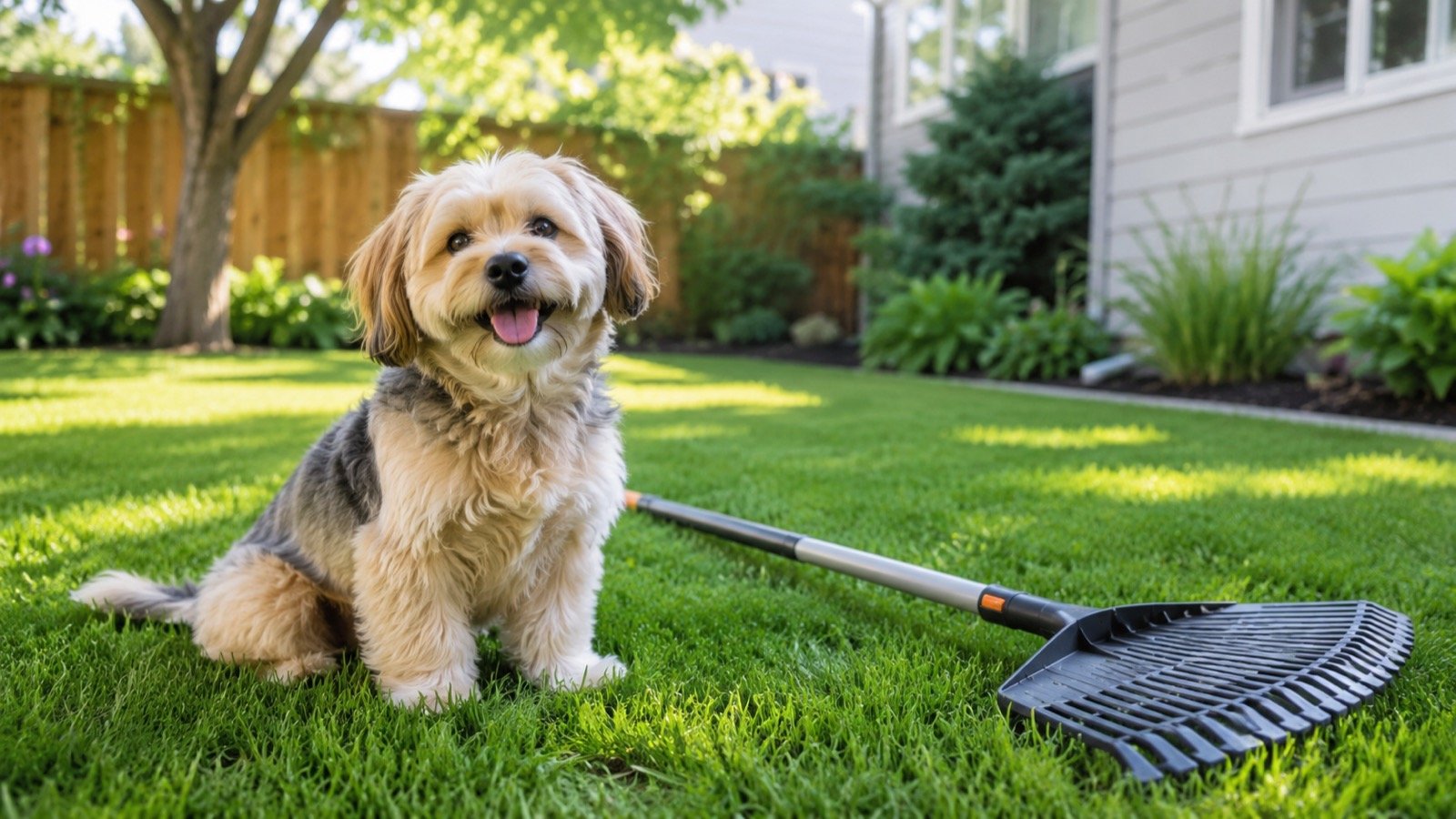
The right gear makes the difference between a chore you dread and a two-minute task. For yard work, a long-handled tool that lets you stand upright protects your back over months of use. Many owners keep a dedicated Pooper scooper by the back door so cleanup happens the moment they spot a mess.
Organization matters just as much as the scoop itself. Keeping your bags, gloves, and deodorizer together in a caddy or heavy duty tool bag means you never skip a session because you were hunting for supplies. A grab-and-go kit removes the friction that causes waste to pile up.
Rake-and-Tray vs. Jaw Scoopers
| Tool type | Best surface | Pros | Cons |
|---|---|---|---|
| Rake and tray | Grass, gravel | Great for firm waste, wide reach | Two-handed, harder on hard surfaces |
| Jaw / claw scooper | Any surface | One-handed, works on soft waste | Needs cleaning after use |
| Scoop-and-bag combo | Grass, patio, walks | Bag stays attached, no-touch disposal | Uses a bag each time |
Protecting Your Lawn From Dog Damage
Even with diligent cleanup, urine and waste can stress your grass. A few habits limit the damage and help your lawn recover:
- Rinse fresh urine spots with water to dilute the nitrogen before it burns the roots.
- Rotate your dog’s bathroom area if possible so no single patch takes all the load.
- Reseed damaged spots in spring and fall when grass recovers fastest.
- Avoid mowing over any missed waste, which shreds and spreads bacteria.
- Keep the lawn slightly longer, since taller grass masks minor wear and stays greener.
What About Odor Control in Summer?
Heat multiplies smell. In hot months, remove waste more often and consider a lawn-safe, enzyme-based deodorizer that breaks down odor at the source rather than just masking it. Avoid harsh bleach solutions on grass, as they kill turf and can harm your dog’s paws. A shaded, well-drained potty zone also cuts odor dramatically.
Building a Yard Routine That Lasts
The best routine is the one you barely notice. Tie cleanup to an existing habit — a lap of the yard with your morning coffee, or a quick sweep before the kids head out to play. Pairing dog waste cleanup with something you already do makes it automatic.
If your schedule is packed, you do not have to do it all alone. Many households in 2026 lean on scheduled help, and partnering with reputable service experts can keep your outdoor space consistently clean while you focus on enjoying it. Whether you DIY or delegate, the goal is the same: never let it accumulate.
A Simple Weekly Checklist
- Daily: quick scoop of fresh waste and disposal in a sealed bin.
- Twice weekly: rinse high-traffic potty spots to dilute nitrogen.
- Weekly: sanitize your scooper and restock bags and gloves.
- Monthly: inspect the lawn for damage and treat or reseed as needed.
Maintaining Your Tools and Storage
Good gear lasts far longer with a little care, and clean tools make the whole job more pleasant. After each session, rinse your scooper and let it air-dry to prevent buildup and odor. Every couple of weeks, sanitize the jaw or tray so you are not tracking bacteria around the yard.
Storage matters too. Keep your scooper, bags, and gloves in a covered, dry spot near the door so nothing degrades in the sun or gets forgotten in a shed. A dedicated hook or caddy keeps everything visible and grab-ready, which is often the difference between a yard that stays clean and one that slips.
Finally, restock proactively. Running out of bags mid-week is a common reason cleanup stalls, so buy in bulk and refill your caddy before it empties. Small systems like these turn dog waste cleanup into an effortless background habit rather than a recurring hassle.
Frequently Asked Questions
How often should I do dog waste cleanup in my backyard?
For a single dog, every one to two days works well; for multiple dogs, aim for daily. In rainy or hot weather, clean more frequently because moisture and heat speed up bacterial growth and odor.
Does dog poop really damage grass?
Yes. The high nitrogen content burns grass and creates yellow or brown dead patches when waste sits. Prompt removal, plus rinsing urine spots, helps your lawn stay green and reduces long-term damage.
Can I use bleach to clean up dog waste on my lawn?
Avoid bleach on grass, as it kills turf and can irritate your dog’s paws. Choose an enzyme-based, pet-safe deodorizer that neutralizes odor at the source without harming the lawn.
Is it safe to compost dog waste from the yard?
Home composting is not recommended because backyard piles rarely get hot enough to kill parasite eggs. Bagging and binning, or using a program that specifically accepts pet waste, is the safer route.
Final Thoughts on Backyard Dog Waste Cleanup
Reliable dog waste cleanup transforms your backyard from a hazard into a haven. With the right tools, a realistic schedule, and a few lawn-protecting habits, you can keep the space healthy for your family and your dog all year long. Start small, stay consistent, and your 2026 yard will thank you.