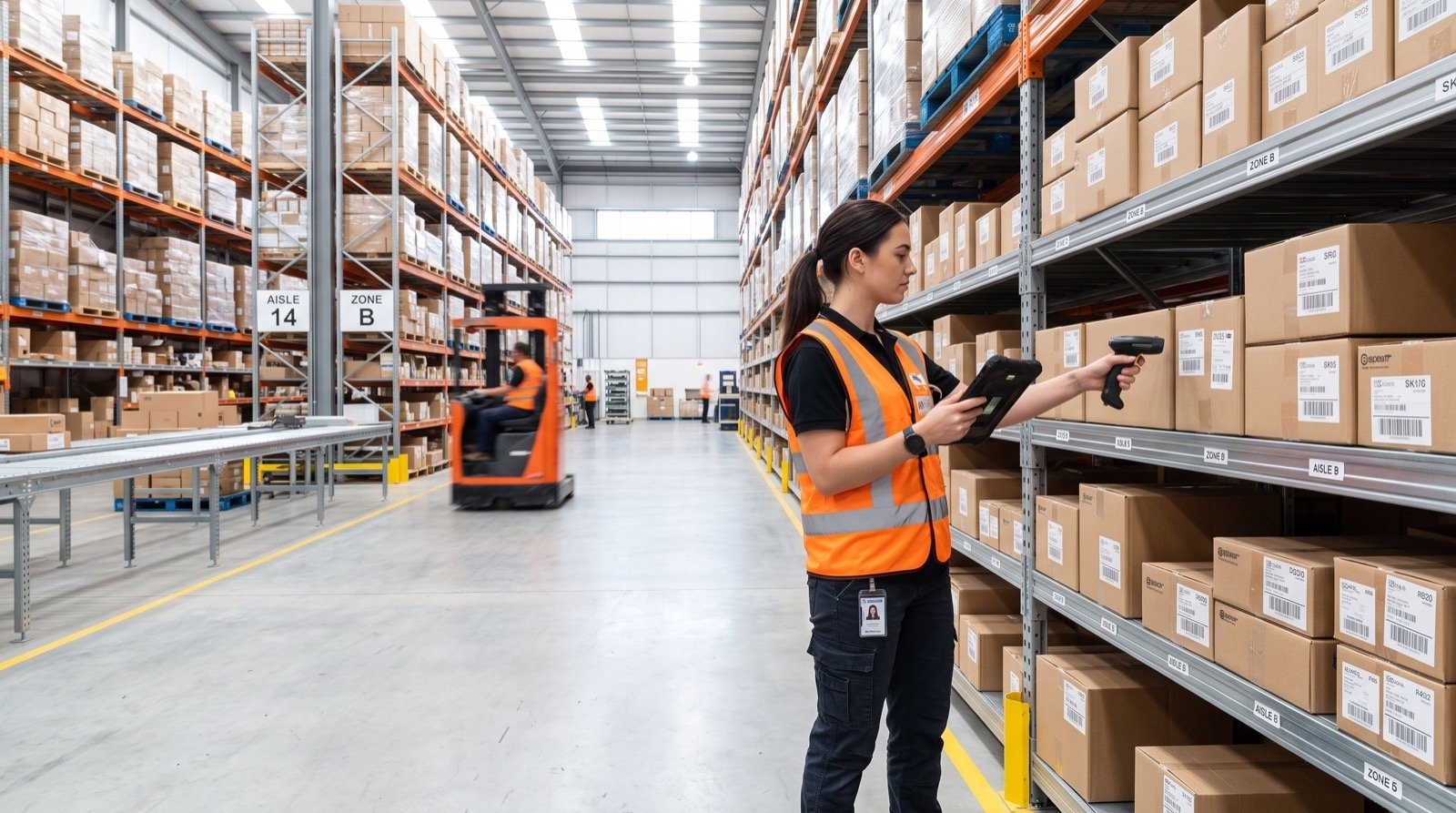

Chilled Storage in Riyadh: The Complete 2026 Guide
Riyadh’s food, pharma, and retail sectors depend on cold chain infrastructure that most people never think about until a shipment goes bad. Demand for chilled storage in Riyadh has climbed steadily as the city’s population grows and more businesses import perishable goods year-round rather than relying on seasonal local supply. This guide explains how chilled storage actually works in Riyadh’s climate, what it costs in 2026, and how to pick a facility that won’t let your inventory down during the brutal summer months.
Whether you’re a restaurant group, a pharmaceutical distributor, or an import business, the margin between a reliable cold storage partner and a cheap one usually shows up the first time the ambient temperature outside hits 45°C.
Why Riyadh’s Climate Makes Chilled Storage Different
Riyadh’s summer heat regularly pushes past 40°C for months at a time, which puts enormous strain on refrigeration systems that weren’t designed with the local climate in mind. Facilities built to lower-cost international standards sometimes struggle to maintain consistent temperatures during peak summer load, especially during power grid stress periods.
A properly engineered chilled storage facility in Riyadh needs redundant cooling systems, backup power that kicks in within seconds rather than minutes, and insulation rated for extreme exterior heat — not just the standard specifications used in milder climates.
Temperature Zones and What They’re Actually Used For
Not all “chilled storage” means the same temperature. Facilities typically offer distinct zones for different product categories, and matching your goods to the right zone affects both cost and shelf life.
| Storage Zone | Typical Range | Common Use |
|---|---|---|
| Cool/Ambient Controlled | 15-20°C | Chocolate, cosmetics, some pharmaceuticals |
| Chilled | 2-8°C | Fresh produce, dairy, meat, most pharma |
| Frozen | -18°C and below | Frozen food, certain vaccines and biologics |
What Chilled Storage Costs in Riyadh in 2026
Pricing depends heavily on volume commitment, temperature zone, and whether you need pallet-level or case-level picking services. Short-term and small-volume clients pay a noticeable premium over businesses that commit to annual contracts with predictable throughput.
- Pallet storage (chilled zone): typically billed per pallet per day, with meaningful discounts above 50-100 pallet commitments.
- Handling fees: charged separately for inbound/outbound movement, often the most overlooked line item in a quote.
- Value-added services: repacking, labeling, and quality inspection usually carry their own per-unit fees.
- Minimum contract terms: many facilities require at least a 6-12 month commitment for their best rates.
Calculating Your Real Monthly Cost
Quotes often separate storage, handling, and value-added fees into different line items, which makes two facilities look deceptively similar until you add everything together. Before signing, build out the full monthly bill using your actual expected volume, then use a simple percentage calculator to check how much of your total logistics spend chilled storage actually represents — a number that surprises a lot of first-time importers once handling and labeling fees are added in.
Choosing a Chilled Storage Partner in Riyadh
Not every warehouse advertising “cold storage” runs the same standard of equipment or compliance. Ask specifically about backup generator capacity, how often temperature logs are audited, and whether the facility holds relevant food-safety or pharmaceutical storage certifications for your product category.
Working with reliable local experts who understand Riyadh’s specific climate and regulatory environment matters more here than in most other logistics categories, since a single extended cooling failure can destroy an entire shipment of perishable or temperature-sensitive goods.
One Practical Tip Most Businesses Skip
Ask any prospective facility for their actual temperature excursion log from last summer, not just their equipment specifications sheet. A facility that’s happy to share real data — including any brief excursions and how fast they were corrected — is almost always more trustworthy than one that only offers marketing claims about “99.9% uptime” with nothing to back it up.
Research and Documentation Tools for Cold Chain Buyers
Many facility tours and equipment walkthroughs end up recorded on a phone and shared informally, often through a quick Facebook post to a buying team’s group. If a supplier or facility shares a tour clip that way and you need to save it for later reference or send it to a colleague without a Facebook account, a Facebook video downloader lets you keep a local copy of the walkthrough instead of hoping the original post stays accessible months later when you’re finally ready to decide.
The Saudi Food and Drug Authority publishes cold chain handling requirements that any serious pharmaceutical or food storage facility should be able to reference directly; checking current guidance on the Saudi Food and Drug Authority website before signing a contract is a quick way to confirm a facility’s claims line up with national standards.
Contract Terms Worth Reading Twice
Cold storage contracts often hide their real cost structure in clauses that feel like boilerplate at first glance. Liability caps for spoiled goods, notice periods for rate increases, and minimum throughput penalties can all materially change the real cost of a deal that looked attractive in the initial quote.
Pay particular attention to liability language around power outages and equipment failure. Some contracts cap a facility’s liability at a token storage-fee refund rather than the actual value of lost inventory, which matters enormously for high-value pharmaceutical or specialty food shipments. Negotiating a higher liability cap, or confirming the facility carries adequate insurance, is worth the extra discussion before signing.
Seasonal Demand Swings to Plan Around
Riyadh’s chilled storage demand spikes noticeably around Ramadan, major holidays, and the peak summer import season when fresh produce imports increase to offset reduced local field production. Businesses that lock in capacity contracts before these peaks typically secure better rates than those shopping for space during the surge itself, when facilities can charge premium short-term rates to whoever still needs space.
If your business has predictable seasonal patterns, negotiating flexible capacity clauses into an annual contract — rather than relying entirely on the spot market during peak months — usually works out cheaper over a full year, even if the base rate looks slightly higher on paper.
Frequently Asked Questions
How much does chilled storage cost per pallet in Riyadh in 2026?
Rates vary widely by volume commitment and facility class, but most businesses should expect a meaningful discount once they commit to consistent monthly pallet volumes rather than ad-hoc short-term storage.
What happens if a facility loses power during a heatwave?
Reputable facilities run backup generators that activate within seconds and maintain full cooling capacity for extended outages; always ask for documented backup generator runtime, not just its existence.
Do I need a different contract for pharmaceutical versus food storage?
Yes, pharmaceutical storage typically requires tighter temperature tolerance, audit documentation, and specific certifications that standard food-grade chilled storage contracts don’t include.
How far in advance should I book chilled storage capacity?
Peak demand periods around major holidays and summer import surges can fill facilities weeks in advance, so securing capacity at least one to two months ahead is safer than waiting until shipment arrival.
Final Thoughts
Chilled storage in Riyadh in 2026 demands more scrutiny than a simple price comparison, given how much the local climate stresses standard refrigeration equipment. Check backup power claims, request real temperature logs, and match your product to the correct storage zone before signing any contract. Reach out to a qualified facility today and get your specific volume and product requirements quoted properly before your next shipment arrives.